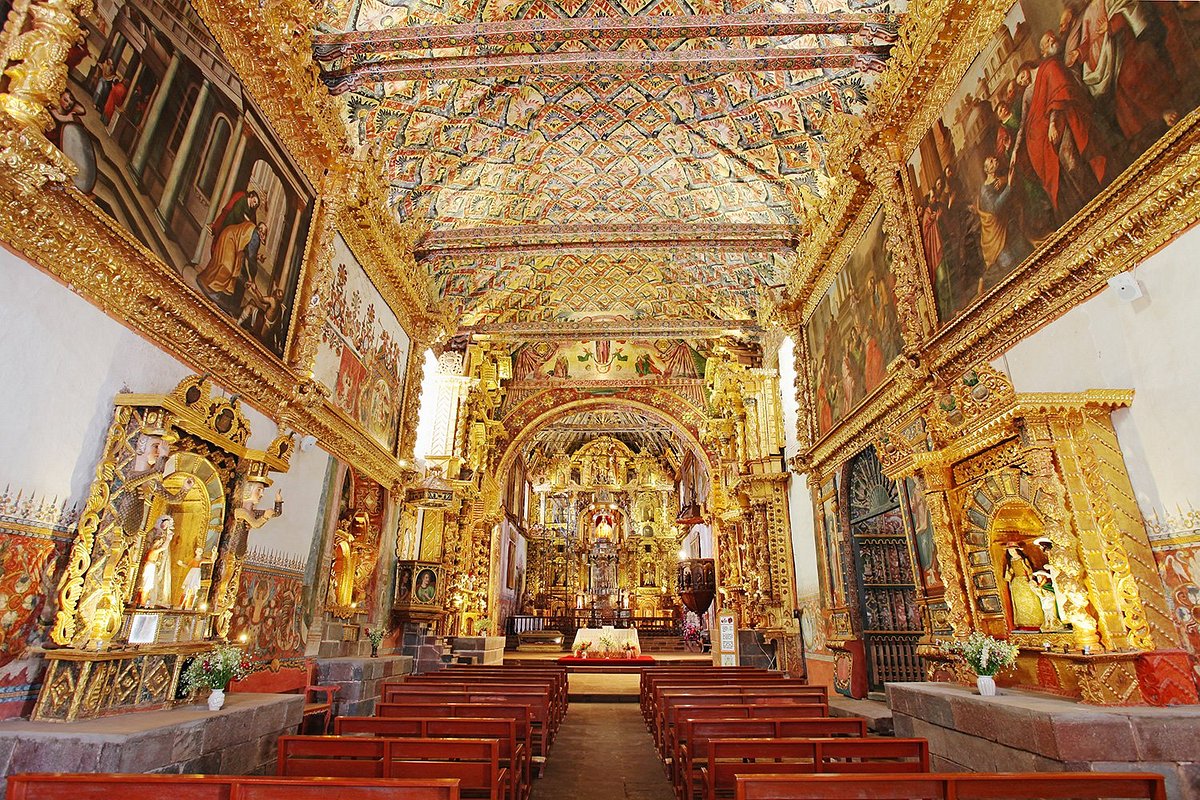
Andahuaylillas Church
Known for its ornate interior, this colonial-era church features detailed murals and gilded altarpieces often referred to as the Sistine Chapel of the Andes.
Observe the ceiling paintings carefully from the back of the nave.
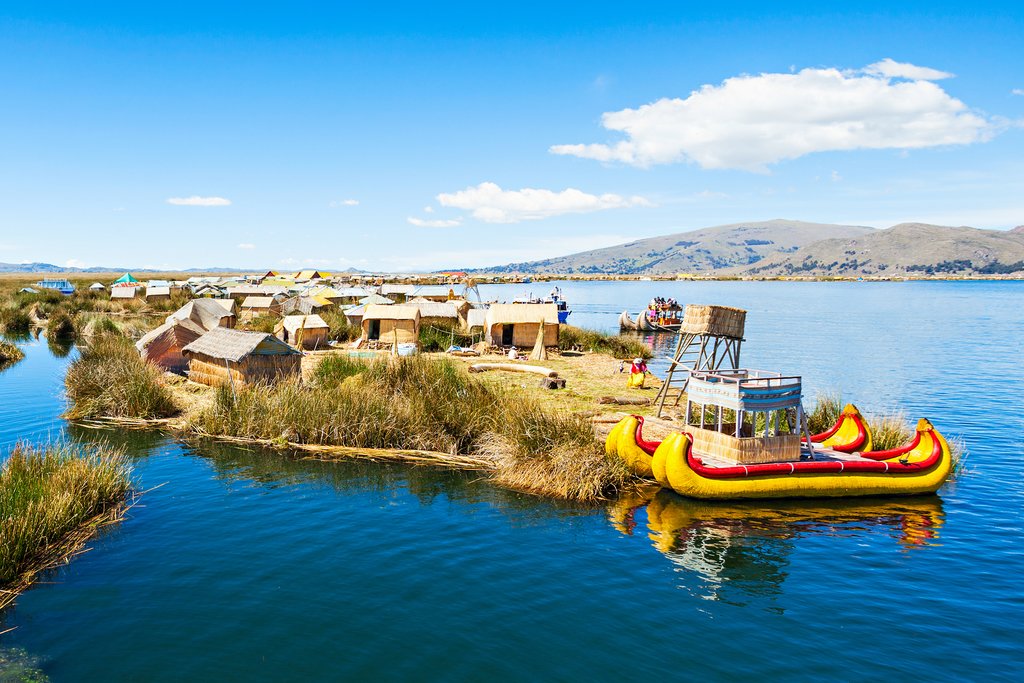
Puno sits at 3,827 meters on the shores of Lake Titicaca, the world's highest navigable lake. The city functions as the gateway to Uros floating islands, Taquile Island, and Sillustani burial towers. Most travelers arrive via the Ruta del Sol scenic route from Cusco or continue onward to Bolivia.
Quick answer
Puno Peru is worth visiting if Lake Titicaca and indigenous Andean culture appeal to you. The city itself offers limited tourist infrastructure, but it provides essential access to the Uros floating islands, Taquile, and pre-Inca archaeological sites. Plan two to three days to acclimate to the altitude and explore the lake. The route between Cusco and Puno is accessible 24 hours daily, with best arrival between 06:40 and 17:30 during daylight hours.
Lake Titicaca covers 8,372 square kilometers and straddles the Peru-Bolivia border at an elevation that leaves most visitors breathless—literally. Puno serves as the Peruvian port city for this vast inland sea, and its value depends entirely on what you want from high-altitude Andean travel. The Uros people constructed forty-two floating islands from totora reeds, and visitors can tour several that welcome day-trippers. Taquile Island preserves Quechua textile traditions recognized by UNESCO, with men knitting intricate chullos and women weaving ceremonial belts. Sillustani, thirty-four kilometers north of the city, displays chullpas—cylindrical burial towers built by the Qolla people before Inca conquest. These are the tangible reasons travelers ask whether visiting Puno Peru is worthwhile. The city itself presents a grittier reality than Cusco. Streets are steep and uneven. Restaurants cater to budget travelers rather than culinary tourists. The main plaza, centered around the Cathedral of Puno, offers basic services and tour operators. Soroche—altitude sickness—hits hard here, and many visitors spend their first afternoon horizontal in a hotel room sipping coca tea. Weather shapes the Puno experience dramatically. The dry season from May through September brings cold nights that drop below freezing and bright days ideal for boat excursions. The wet season from December through March turns Lake Titicaca choppy and reduces visibility across the altiplano. February sees the Virgen de la Candelaria festival, two weeks of dance competitions and religious processions that transform the city into a riot of elaborate costumes and brass bands. Travelers moving between Cusco and Puno via the Ruta del Sol benefit from stopping at Raqchi, Andahuaylillas, and La Raya Pass rather than taking the direct night bus. This journey provides gradual altitude adjustment and cultural context that makes Puno less of a utilitarian stopover and more of a logical destination. The lake, the islands, and the persistent Andean traditions justify the thin air and basic amenities for visitors seeking authenticity over comfort.
“Lake Titicaca covers 8,372 square kilometers at an elevation that leaves most visitors breathless—the Uros floating islands and Taquile's textile traditions justify the altitude challenge.”
The Ruta del Sol tourist bus journey between Cusco and Puno spans approximately 10 hours, making strategic stops at Andean archaeological sites and cultural landmarks. This itinerary suits travelers who prefer an overland route with guided stops rather than a direct transfer.
Board the tourist bus from your Cusco hotel or designated pickup point. The route climbs quickly into the Altiplano, with views of snowcapped peaks and highland farmland.
Visit the "Sistine Chapel of the Americas," known for its ornate colonial interior and Baroque frescoes. The stop lasts 30–40 minutes.
Explore the Temple of Wiracocha, featuring massive adobe walls and Inca storehouses. Allow 45 minutes for the guided walk.
Stop for a buffet lunch at a local restaurant; typically included in the bus fare. The break runs 60–75 minutes.
Pause at 4,335 meters for photographs of the Andean watershed divide. The stop is brief, around 15 minutes.
Tour the Museo Lítico de Pukará, displaying pre-Inca stone sculptures and ceramics. The visit lasts 30 minutes.
Reach Puno in late afternoon; the bus drops passengers at hotels or the central terminal. Total travel time is 10–11 hours.
The Ruta del Sol is a geographic travel corridor between Cusco and Puno, Peru, rather than a single attraction, meaning there is no entry fee for the route itself. Costs for visitors are associated with the mode of transit selected to navigate the corridor.
Verdict: Travelers pay 0 PEN to access the route itself, with total costs depending solely on the specific bus operator or private transport service chosen.
The best time to travel the Ruta del Sol is during the dry season between May and September. Choosing daylight hours is essential for observing the Andean landscape and cultural landmarks along the transit corridor.
Dry season, 15°C to 20°C
Clear skies provide optimal visibility for photography and sightseeing.
Rainy season, 10°C to 18°C
Expect frequent afternoon showers and occasional route disruptions.
—
Travel between 06:40–17:30 to utilize the full period for viewing stops.
Verdict: The best time to visit is during the dry season from May to September, ensuring travel occurs within the 06:40–17:30 daylight window.
The Ruta del Sol traverses the Andean highlands between Cusco and Puno along national road PE-3S. The tourist bus remains the primary mode of transit for travelers seeking to navigate this corridor with scheduled cultural stops.
PE-3S (Ruta del Sol) from Cusco or Puno terminals
PE-3S (Ruta del Sol) via private transport
Cusco–Puno Railway line (Belmond)
For the best view of the Andean landscape, plan your departure to ensure travel occurs within the best arrival window of 06:40–17:30. Daylight is essential for observing the route's cultural sites.
The Ruta del Sol corridor connecting Cusco and Puno contains several historical and cultural landmarks that provide context to the Andean landscape. These sites offer insight into the region's diverse architectural and colonial heritage.
Known for its ornate interior, this colonial-era church features detailed murals and gilded altarpieces often referred to as the Sistine Chapel of the Andes.
Observe the ceiling paintings carefully from the back of the nave.
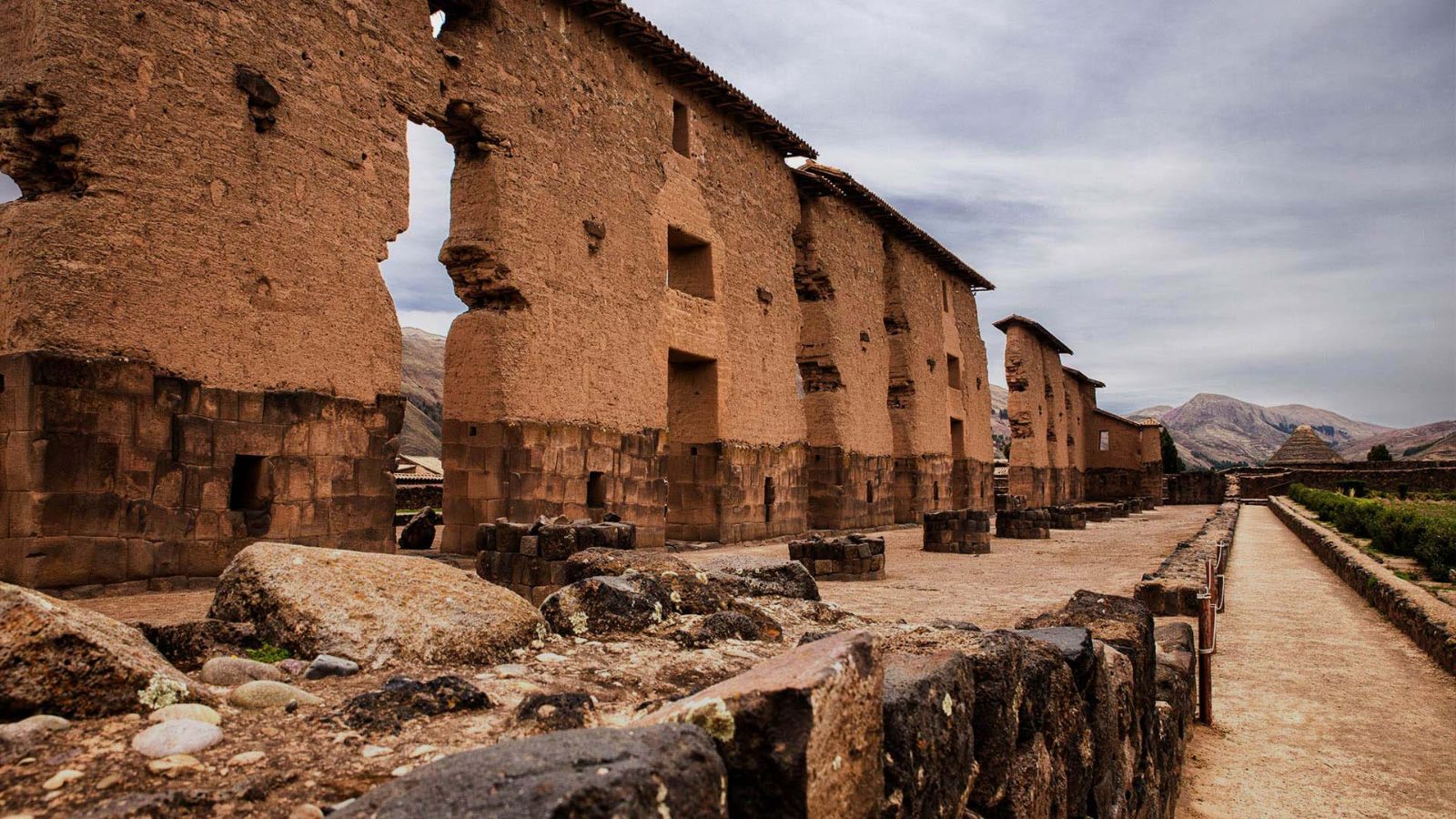
This archaeological site served as a temple dedicated to the god Wiracocha and contains remnants of massive stone columns and walls.
Walk the perimeter to appreciate the scale of the foundation walls.
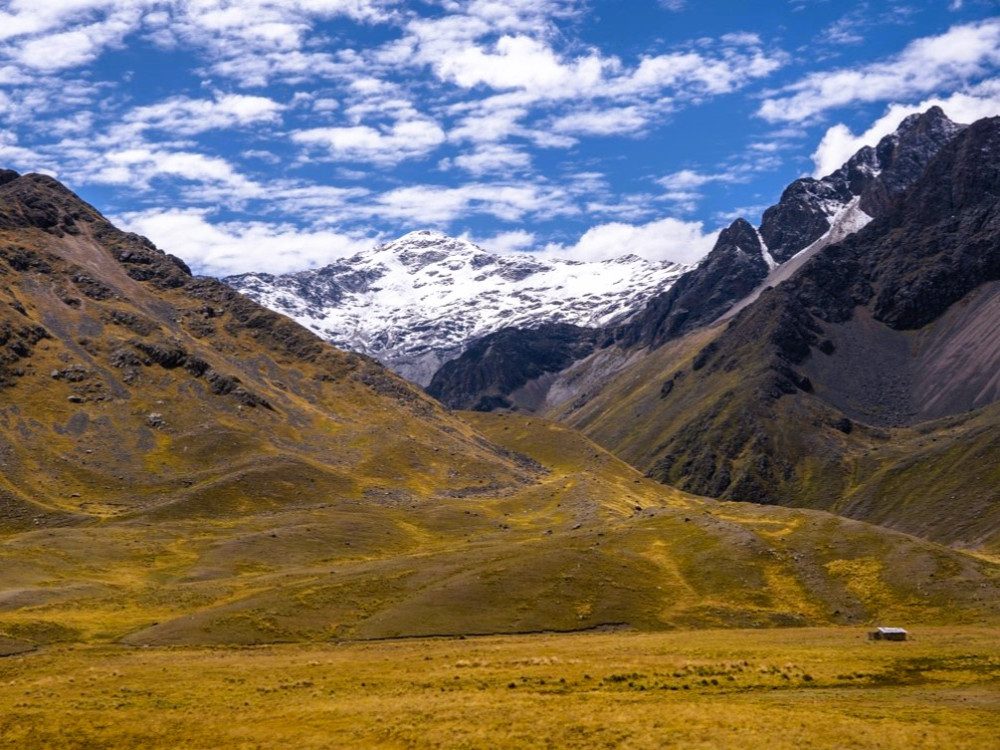
Situated at the highest point of the route, this mountain pass offers views of snow-capped peaks and local grazing livestock.
Step outside quickly to photograph the landscape during the bus stop.
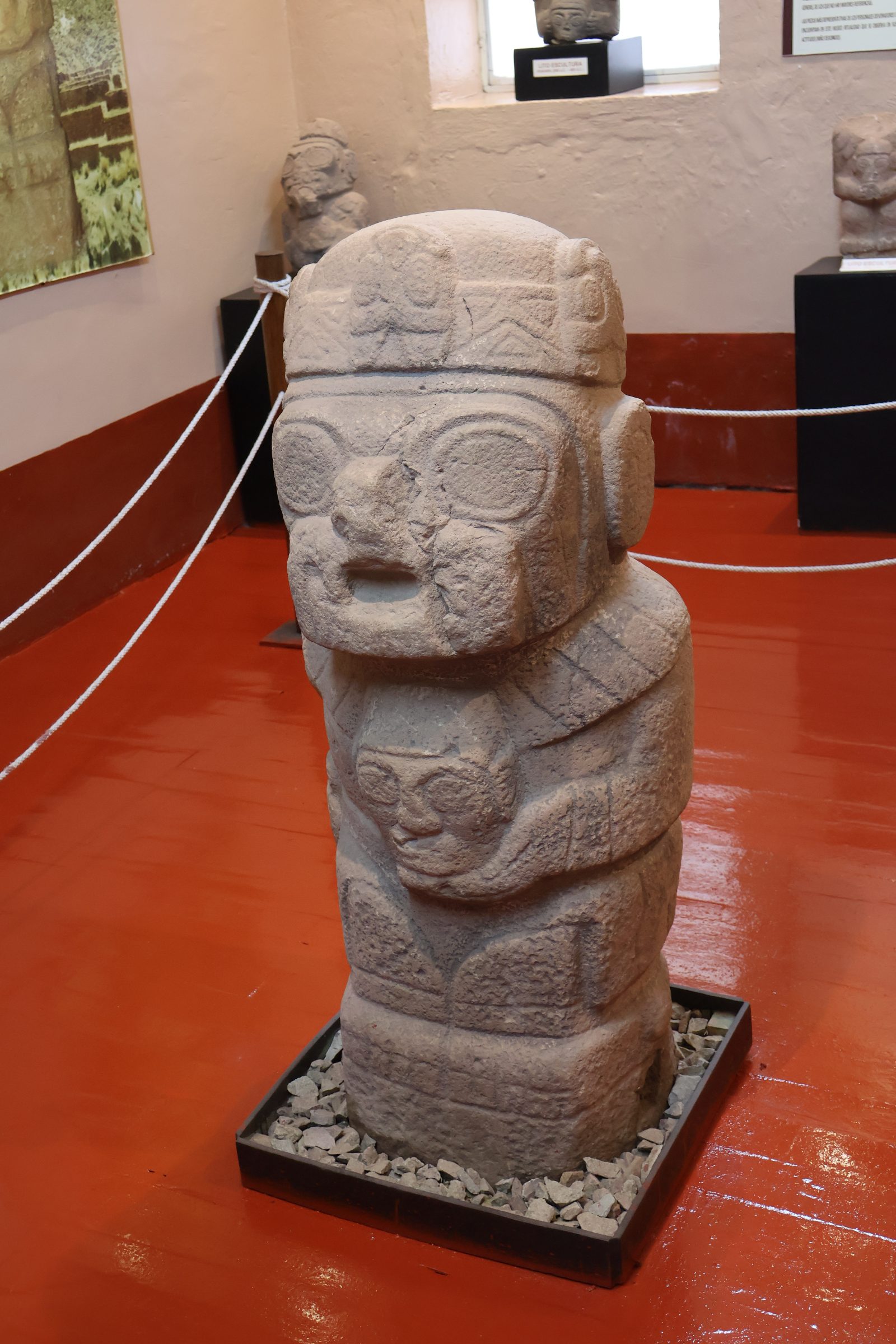
This museum houses stone carvings and stelae from the Pukara culture, which predates the Inca Empire in this region.
Focus on the anthropomorphic carvings in the main exhibition hall.
Navigating the high-altitude route between Cusco and Puno requires specific preparation to ensure comfort throughout the journey.
Start your trip in Cusco to acclimatize before moving to the higher elevation of Puno. Drink coca tea or consult a medical professional about acetazolamide if you are sensitive to thin air.
Temperatures fluctuate significantly between the morning chill and midday sun along the route. Wear breathable base layers under a wind-resistant jacket to adapt to changing cabin conditions.
The high Andean plateau has very low humidity which accelerates dehydration. Carry more water than you think you need and avoid alcohol the night before departure.
UV radiation is significantly stronger at these elevations regardless of cloud cover. Wear SPF 50+ sunscreen and polarized sunglasses to prevent eye strain from the intense glare off the landscape.
Keep a stash of small-denomination Peruvian Soles for restroom access or local snacks at stops. Large bills are often difficult for local vendors to change during quick transit breaks.
Everything you need to know about is puno peru worth visiting
Travelers often debate if Puno Peru worth visiting due to its unique position on Lake Titicaca. Many find the combination of high-altitude landscapes and cultural heritage makes it a significant stop for those exploring southern Peru. Ultimately, whether Puno Peru worth visiting depends on your interest in indigenous history and lake exploration.
The corridor features notable stops like the Andahuaylillas church, the Raqchi archaeological site, and the La Raya pass. These landmarks offer a deep look into the regional altiplano history. Travelers frequently inquire if Puno Peru worth visiting to see these specific sites along the way.
Yes, many travelers search if Puno Peru worth visiting to determine if the travel time from Cusco is justified. Balancing the desire for scenic Andean views with local sightseeing goals is a common planning step. Researching the route helps travelers decide if Puno Peru worth visiting for their personal itinerary.
The Ruta del Sol is a geographic travel corridor rather than a single attraction. It connects major hubs, allowing for a structured journey across the high plateau of the Andes. Because it is a transit route, it does not function as a standard park or museum.
Daylight is essential to view the Andean landscape and cultural stops along the route. For this reason, the recommended arrival window is 06:40–17:30. Traveling during these hours ensures visibility of the surrounding highland terrain.
Many visitors consider if Puno Peru worth visiting as part of a broader journey between Cusco and the lake. By utilizing the tourist bus route, guests can experience the cultural depth of the region between these two major destinations. This transit allows for an immersive look at Andean traditions.
The Ruta del Sol is a geographic travel corridor, not an attraction, so there is 0 PEN entry fee. You will not encounter ticket gates along the open road itself. Always verify your specific transport booking for inclusion of guided site visits.